An introduction to Chris Potter
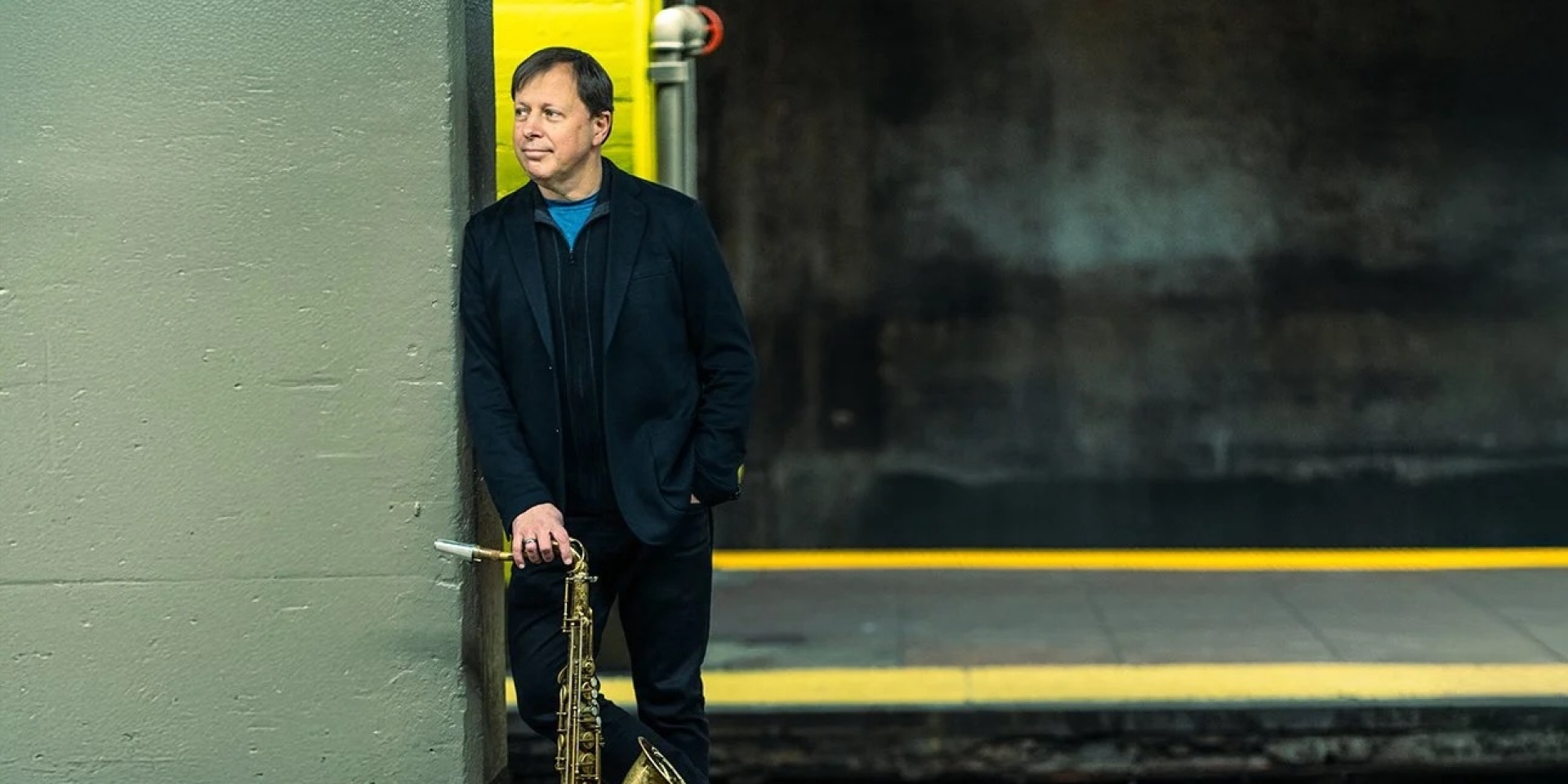
With a rare combination of technical mastery, clarity and a constantly searching musical mind, Chris Potter has been shaping contemporary jazz for decades.
Emerging in the early 1990s, he quickly established himself as one of the most in-demand saxophonists of his generation, performing and recording with artists such as Dave Holland, John Scofield, Pat Metheny and many others. Alongside his work as a sideman, Potter steadily built an extensive body of work as a bandleader, developing a musical language that moves fluidly between post-bop, experimental jazz, groove-based music and electronic textures.
What sets him apart is not only his virtuosity, but his ability to continuously redefine his own sound. While early influences like John Coltrane are evident in his playing, Potter has long since developed a voice entirely his own. His music is marked by a strong sense of structure and composition, yet always leaves space for spontaneity and risk. Over the years, he has become a reference point for a new generation of musicians, both through his recordings and his unmistakable presence on stage.
At Jazz Middelheim, he appears with the Chris Potter Trio, alongside bassist Matt Brewer and drummer Kendrick Scott. Together, they form a group built on deep listening, shared attention and a strong sense of interplay. Potter’s playing is defined by clarity and control, but also by an openness that allows space to emerge naturally. Melodies stretch and evolve, rhythms shift subtly, and silence becomes an active part of the music. The jazz tradition is always present, not as something fixed, but as a language that continues to evolve in real time. On Monday May 25, Chris Potter Trio takes the stage at Jazz Middelheim, where this music can be experienced in its most direct and open form, in dialogue with the park and the audience.
To explore his sound more closely, we’ve selected a number of essential recordings. Each of them highlights a different side of Chris Potter’s musical language, from acoustic interplay to more expansive, genre-crossing work, and offers a clear entry point into a constantly evolving discography.
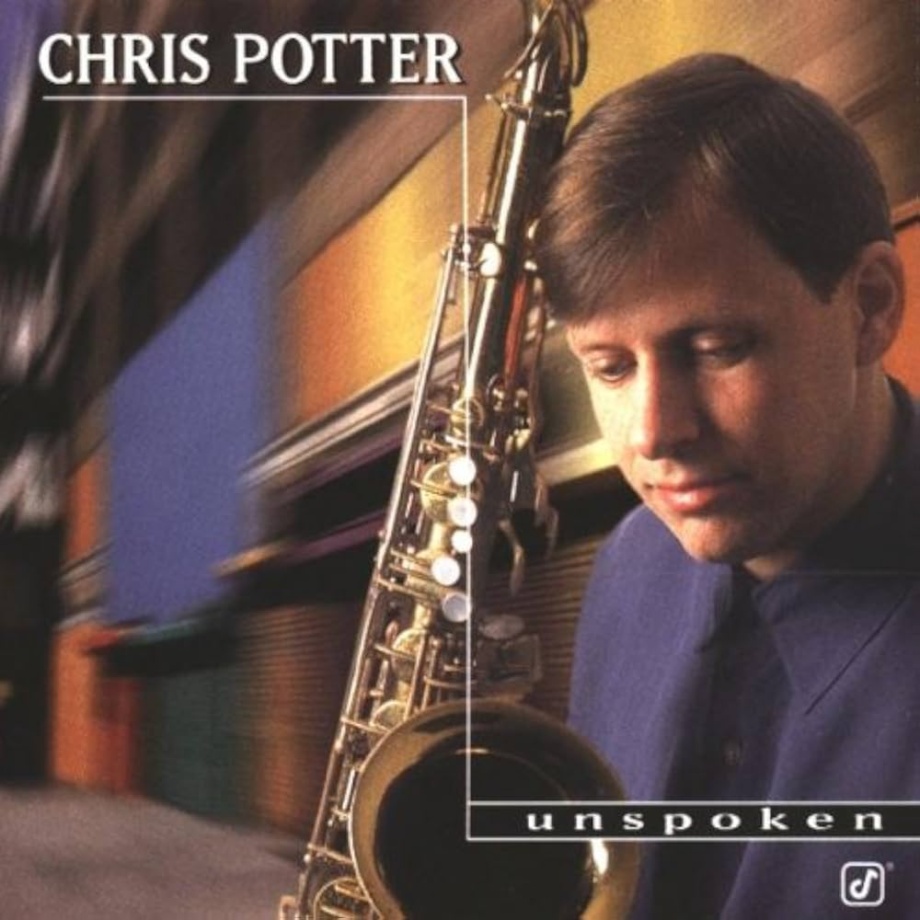
Unspoken (1997)
With an all-star lineup featuring John Scofield, Dave Holland and Jack DeJohnette, Unspoken marks an early high point in Potter’s career. The chemistry between the musicians gives the album a strong collective energy, while Potter begins to position himself more clearly as a composer. His playing balances technical intensity with lyrical depth, signalling the arrival of a major voice in modern jazz.
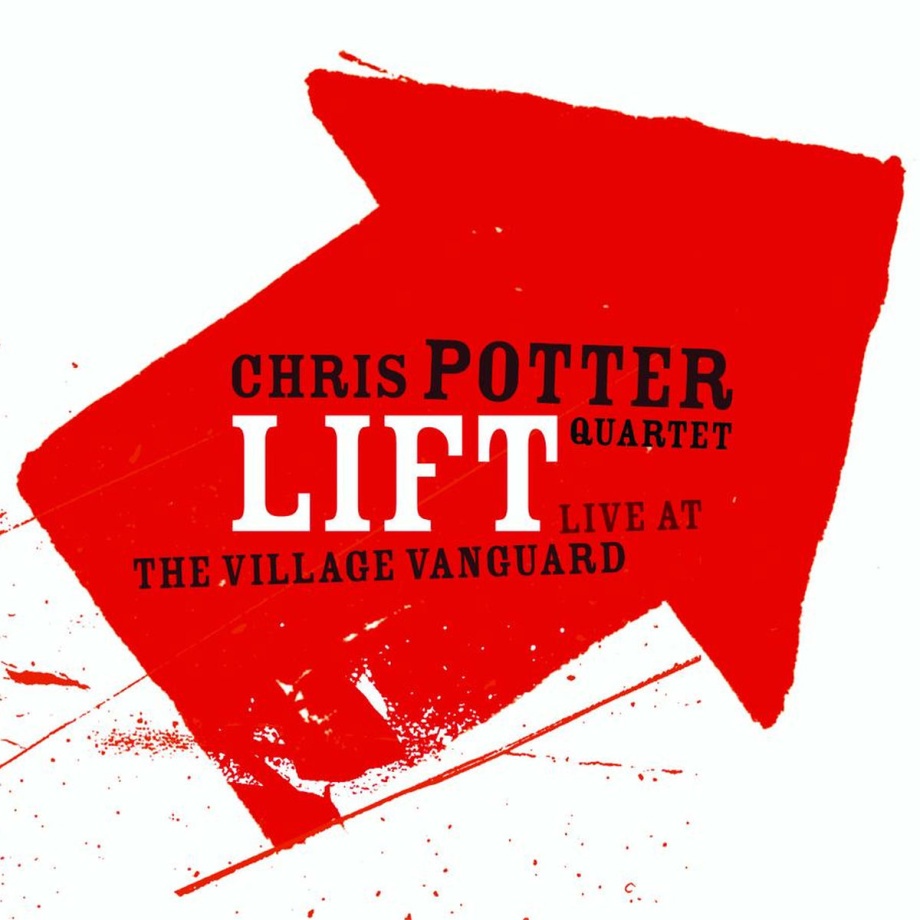
Lift: Live at the Village Vanguard (2004)
Recorded live in 2002, this album captures Potter in a more traditional acoustic setting, alongside Kevin Hays, Scott Colley and Bill Stewart. After earlier explorations into more structured and electronic territory, Lift feels like a conscious return to the essence of jazz: improvisation, spontaneity and group interaction. The result is a vivid and immersive live recording, often placed alongside classic quartet recordings of the 1960s.
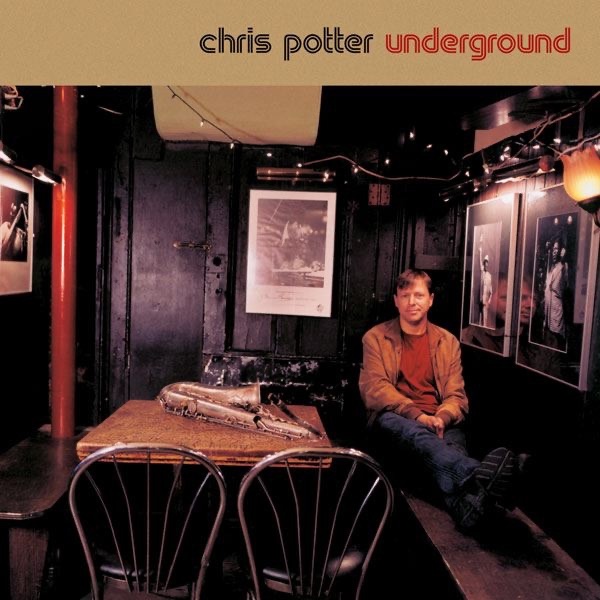
Underground (2006)
With Underground, Potter expands his musical language through a bold mix of jazz, rock, electronics and global influences. Featuring Wayne Krantz, Craig Taborn and Nate Smith, the album marks a turning point in his career. It brings together earlier experiments into a coherent and powerful sound, pushing boundaries while maintaining a strong improvisational core. A challenging but essential listen.
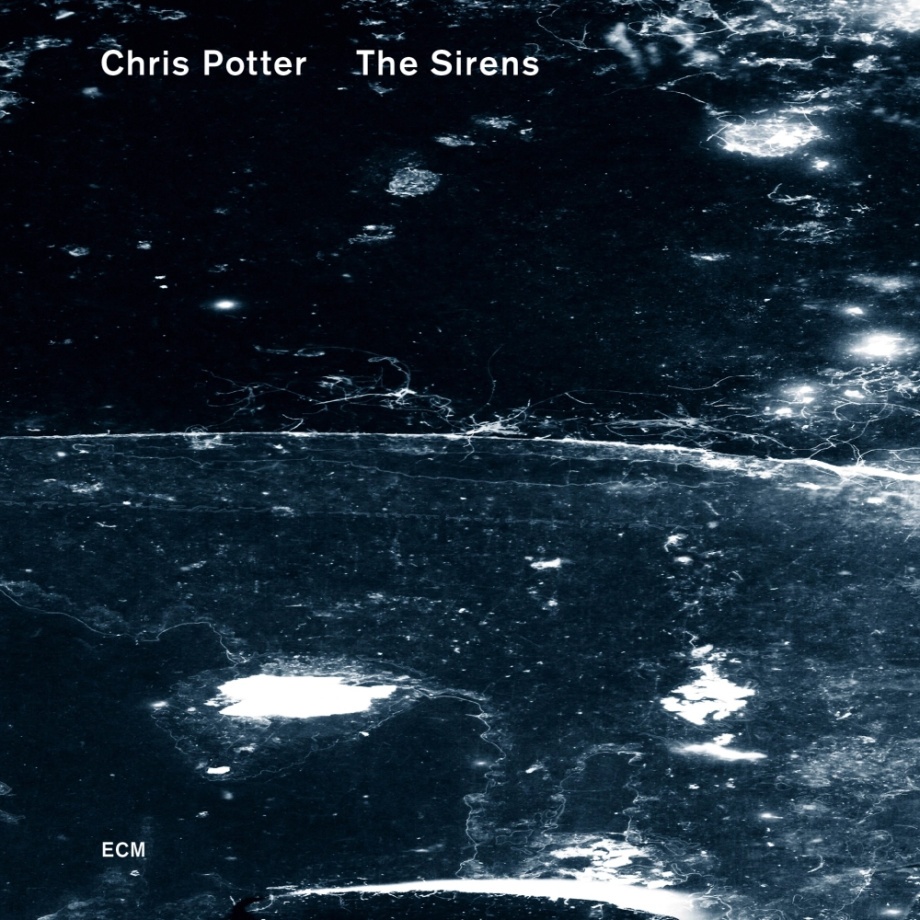
The Sirens (2013)
Potter’s debut as a bandleader on ECM, The Sirens is a conceptual work inspired by Homer’s Odyssey. With a rich palette of sounds, including two keyboard players and multiple instruments on Potter’s side (tenor, soprano and bass clarinet), the album explores themes of love, loss and identity. Here, Potter emerges not only as a virtuoso but as a storyteller, with a stronger focus on atmosphere, introspection and narrative.
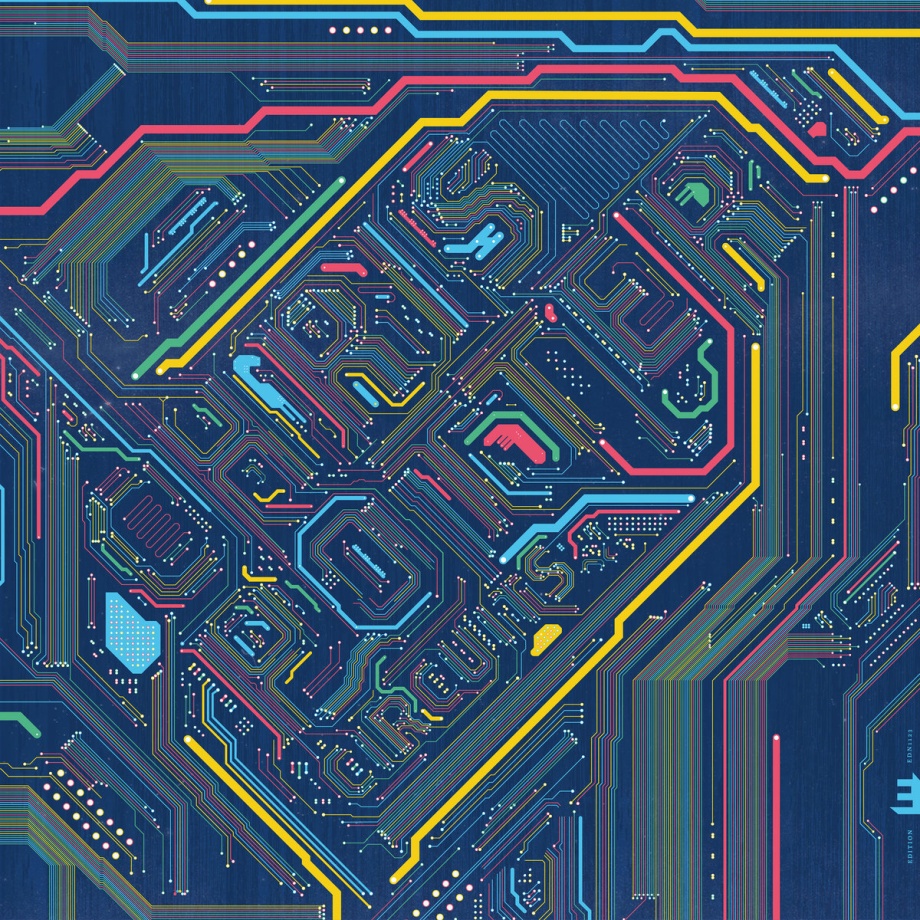
Circuits (2021)
On Circuits, Potter reconnects with groove and rhythm, blending post-bop with elements of funk, hip-hop and electronic music. With James Francies, Eric Harland and Linley Marthe, he further expands his sonic world through synthesizers and electronic textures. The album confirms his status as one of the most forward-thinking voices in contemporary jazz.