An introduction to Billy Cobham in 5 essential albums
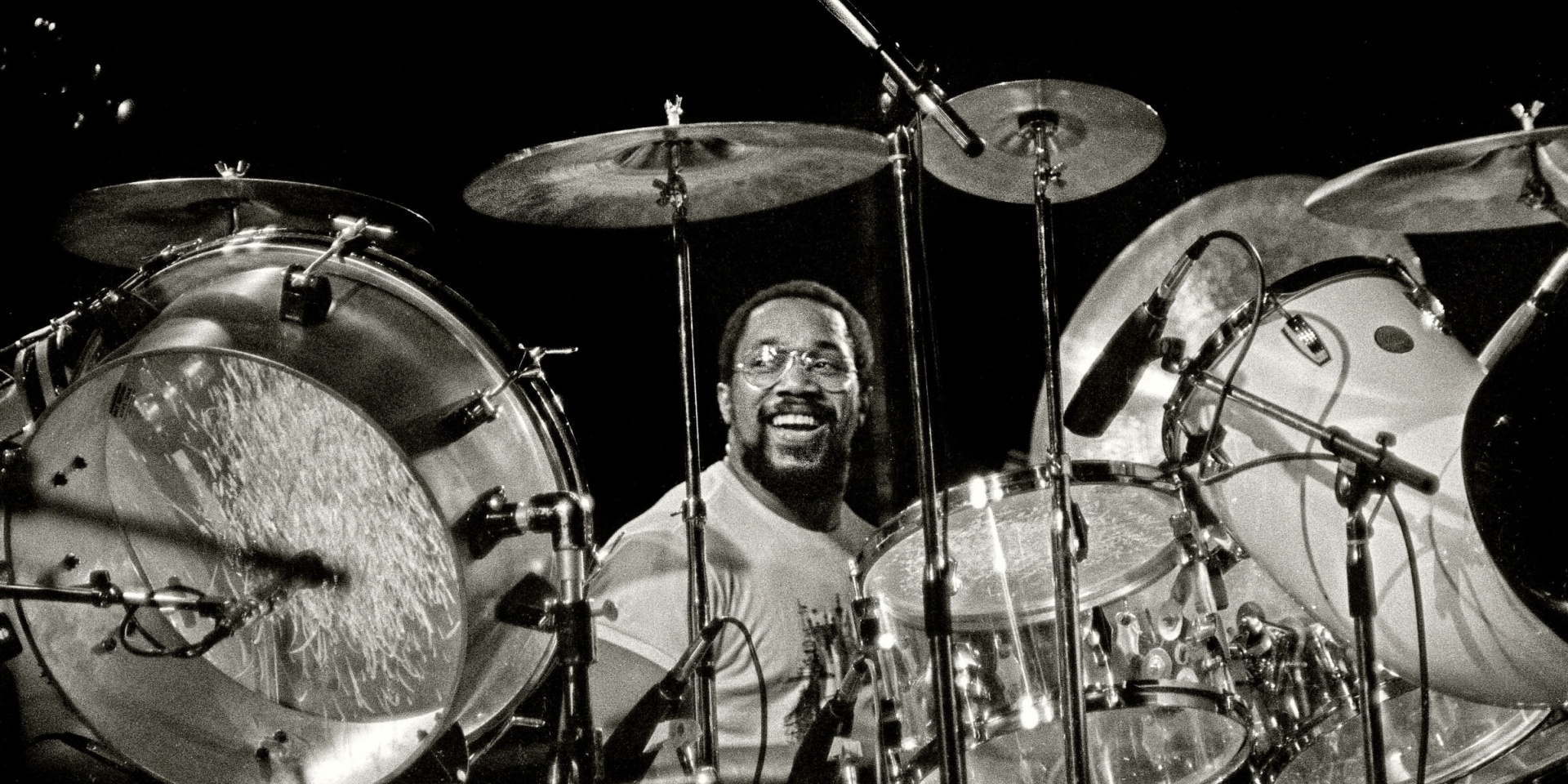
At Jazz Middelheim, history is not treated as something fixed. It remains active, open to reinterpretation. On Monday 25 May (a national holiday) Billy Cobham brings that idea to the Concert Hall with his Time Machine project.
Cobham has been a defining force in jazz and fusion for more than five decades, not only as a virtuoso drummer but as a musician who fundamentally redefined the role of rhythm in modern music. Born in Panama and raised in New York, he developed a powerful, highly articulate style built on precision, stamina and rhythmic clarity. His approach expanded the drum kit beyond timekeeping into a fully expressive, structural voice within the ensemble.
In the late 1960s and early 1970s, his work with Miles Davis placed him at the centre of a turning point in jazz, where electric instruments and open forms reshaped the music’s direction. As a founding member of Mahavishnu Orchestra, he helped define the language of jazz fusion: complex, amplified, rhythmically dense, and driven by a new level of technical intensity. His influence extended far beyond jazz, shaping the vocabulary of drummers in progressive rock, funk and later even metal. His solo debut Spectrum pushed that evolution further, combining compositional focus with an expanded, almost orchestral approach to the drum kit. Across the decades that followed, Cobham continued to explore new contexts while maintaining a clear artistic identity rooted in structure, control and rhythmic exploration.
With Time Machine, he revisits material from his 1970s repertoire, including pieces from Total Eclipse. Rather than a nostalgic return, the project places earlier compositions in dialogue with newly written work. The music retains its architectural precision while leaving room for improvisation and dynamic exchange. Live, Cobham’s playing remains direct and commanding. Polyrhythms unfold with clarity, grooves are sharply defined, and the ensemble responds with alertness. At Jazz Middelheim, he represents a strand of jazz history in which virtuosity serves structure and rhythmic exploration drives the music forward. To get a taste of what's to come, we’ve mapped out the 5 essential albums from Cobham's career - a perfect preparation for when he lands in Antwerp next month.
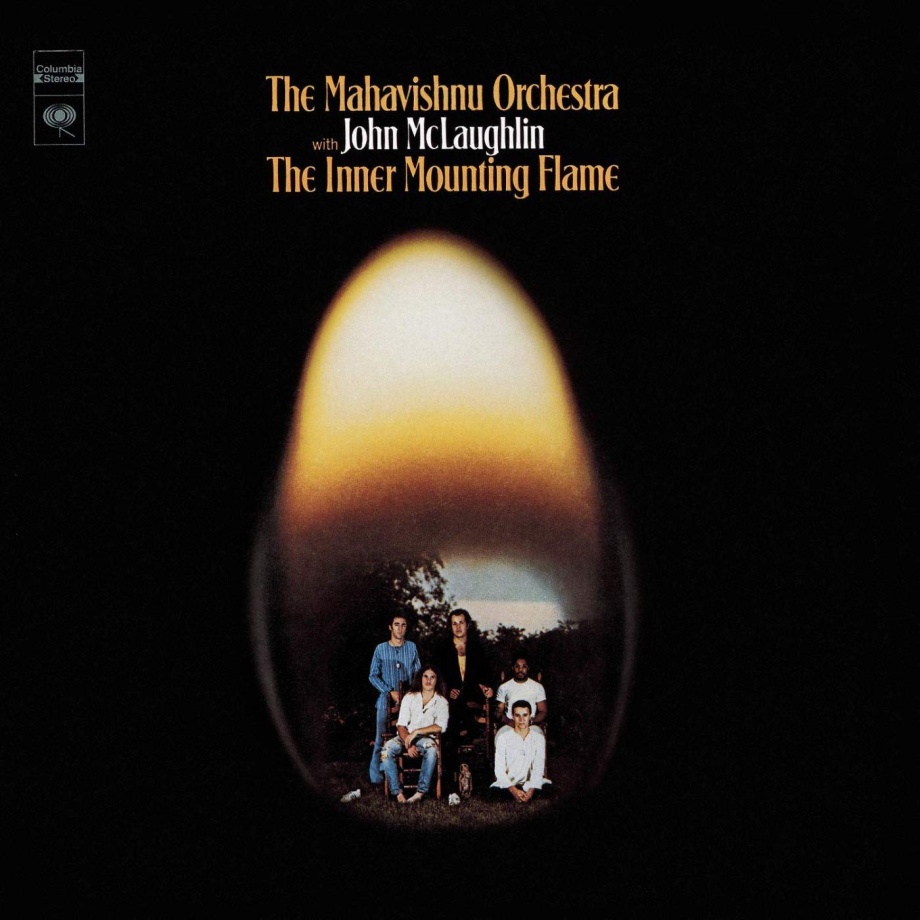
1. The Inner Mounting Flame (Mahavishnu Orchestra, 1971)
One of the most influential jazz albums of its time and a breakthrough moment for jazz fusion. The Inner Mounting Flame marks the transition from traditional acoustic jazz to an electric, amplified sound, announcing a new generation of musicians blending rock and jazz. The music is fast, highly virtuosic and structurally complex, setting a new technical standard. Alongside guitarist and leader John McLaughlin, Cobham is a driving force behind this sound. His playing delivers intense energy, technical complexity and constant motion. He moves beyond a supporting role. He interacts, answers solos, challenges the band, and sustains a continuous sense of tension. Here, the drummer becomes a leading force: a virtuoso soloist and an architect of musical structure. This expanded role would influence generations of drummers, not only in jazz but also in progressive rock and metal.
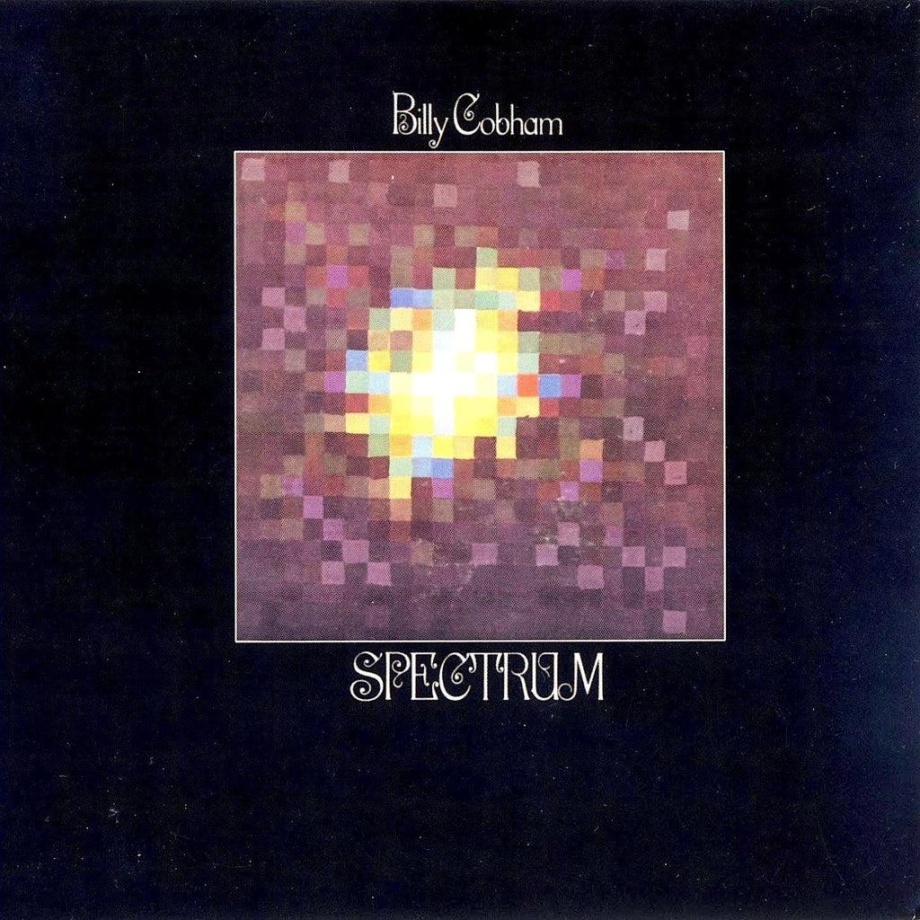
2. Spectrum (1973)
Cobham’s breakthrough as a solo artist and a milestone in jazz fusion. Spectrum functions as a full display of his drumming language. He approaches the drum kit as an orchestra. Drums and cymbals each carry distinct roles, not only rhythmically but also in colour and texture. His playing is technically virtuosic and unusually powerful for its time: double bass drums, sharp snare attacks, aggressive accents, dense polyrhythms, speed and physical force. Spectrum is not background music. It is an intense listening experience that demands focus.
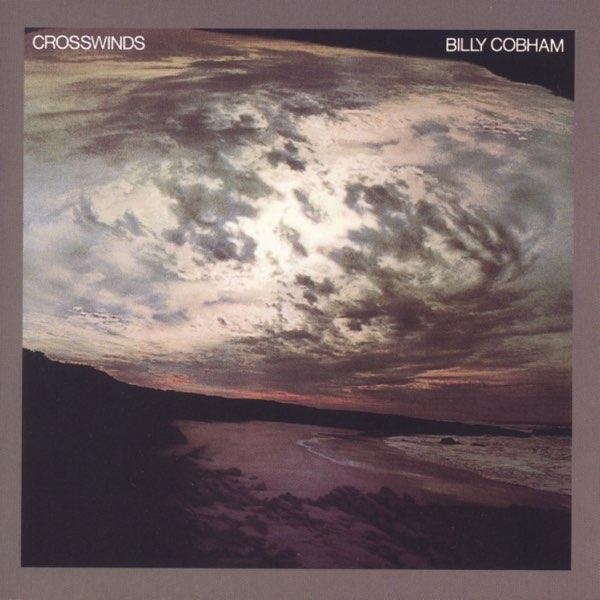
3. Crosswinds (1974)
Following the impact of Spectrum, Cobham was widely seen as the defining power drummer of fusion. With Crosswinds, he broadens that perception. There is less emphasis on speed and more on composition and structure, often in longer, narrative forms. He moves from virtuoso instrumentalist towards composer and bandleader. Fusion itself shifts here from open-ended jams towards more composed, almost symphonic frameworks. While Spectrum draws primarily on jazz, rock and funk, Crosswinds incorporates stronger Latin influences, adding to its range. Cobham remains central, but in a different way: less overtly dominant, more directional, with increased attention to space and detail. Less immediate than Spectrum, but arguably a more significant artistic step.
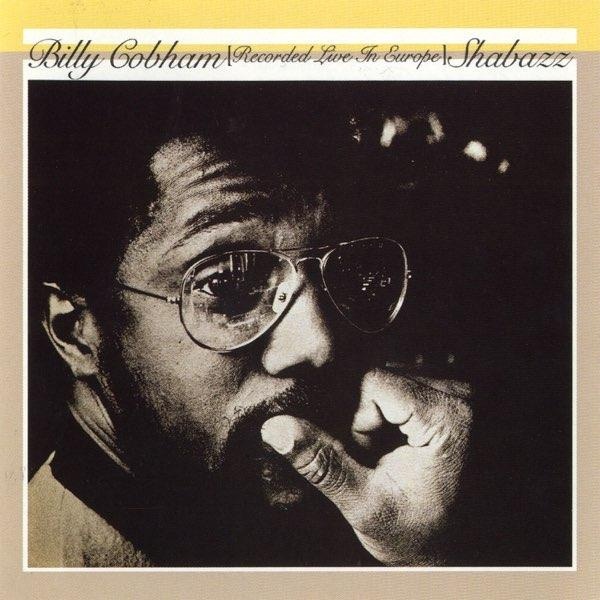
4. Shabazz (1975)
The intensity of Cobham’s studio work is fully extended in live performance. During the 1970s, his most influential period, he performed with leading figures of fusion such as Michael Brecker, Randy Brecker and John Abercrombie. Shabazz, recorded live in Switzerland and England in the summer of 1974, is widely regarded as one of the strongest live jazz-fusion albums of the decade. Energy, technical command and constant interaction define the recording. With Ray Barretto as a second percussionist, many tracks gain a deep Afro-Cuban groove, giving Shabazz a distinct position within Cobham’s catalogue.
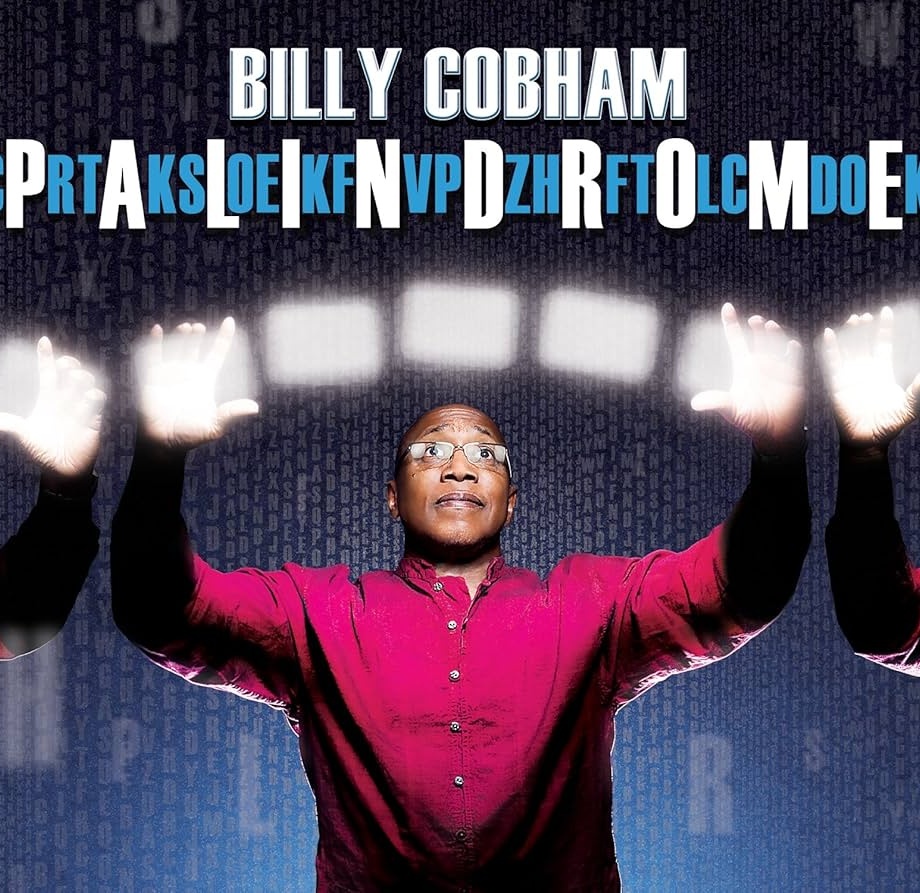
5. Palindrome (2009)
In the decades following his breakthrough, from 1980 to 2000, Cobham explored a wide range of directions. He moved at times towards more commercial territory, incorporated elements of world music, and appeared in diverse projects. He performed live with projects related to the Grateful Dead, such as Jazz is Dead, and worked with artists including Jack Bruce and Peter Gabriel. Palindrome stands out as a convincing late-career release and a reflection on his earlier work. It presents a musician whose technical level remains intact, while reconnecting with the energy of his early years. The sound is more modern and streamlined, but the intensity and precision remain. It is not a groundbreaking record on the level of Spectrum, but it is a strong and credible addition to his catalogue. It shows a musician who continues to play with clarity, energy and intent, while challenging the musicians around him.
From The Inner Mounting Flame to Palindrome, these recordings outline a trajectory that remains open. At Jazz Middelheim, that trajectory continues. On Monday 25 May (a national holiday) Billy Cobham will play our Concert Hall with his Time Machine project.